Imbolc – The Stirring of Light
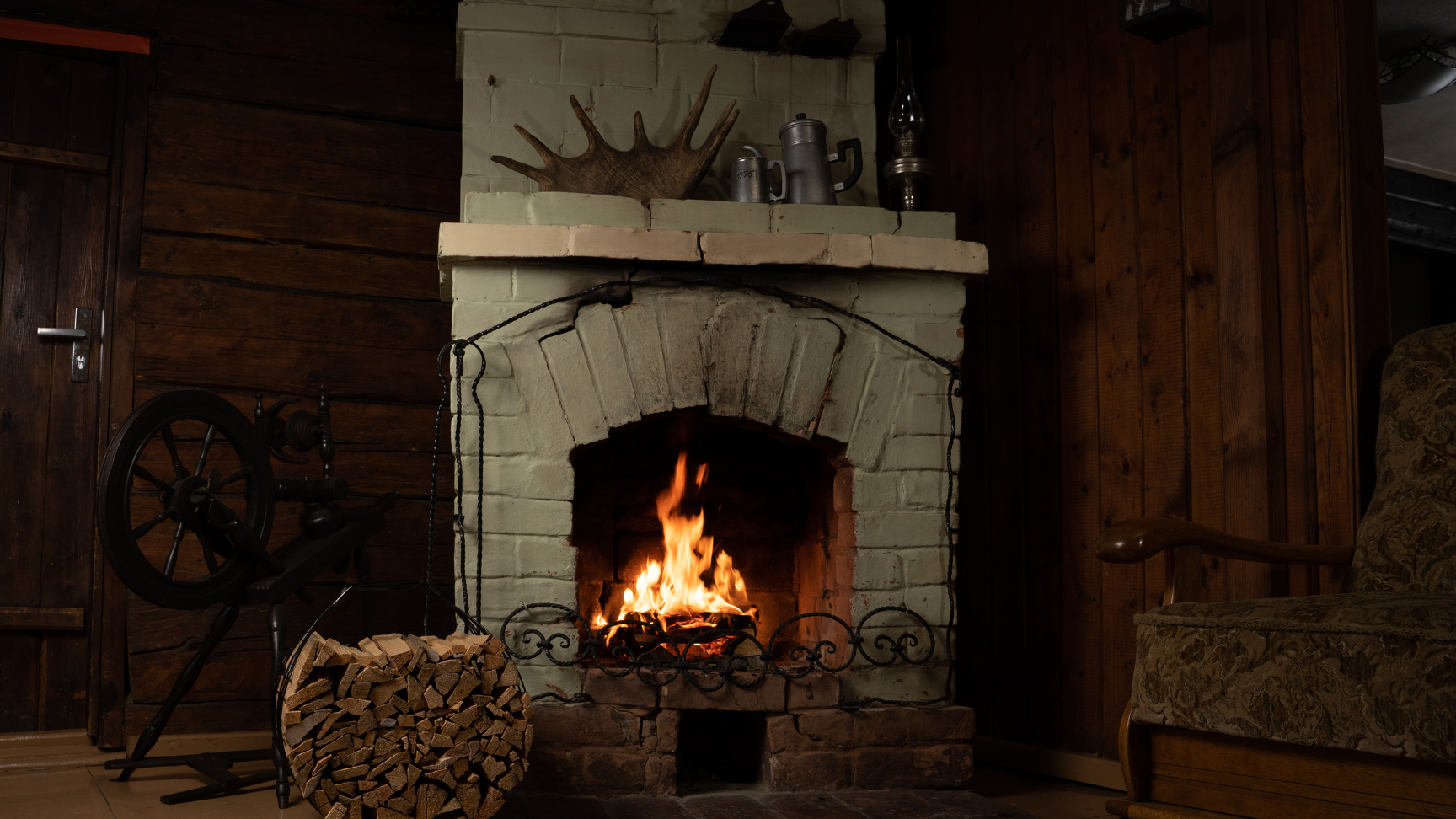
As the Wheel of the Year continues its slow and steady turn, we arrive at a quieter threshold. The deep stillness of winter has not yet retreated, yet something subtle has started to change. The days are lengthening, the light lingers just a little longer in the afternoon and below the cold soil, life is starting to stir.
This turning point is Imbolc.
Falling at the beginning of February, Imbolc marks the midpoint between the Winter Solstice and the Spring Equinox. Where Samhain draws us into the dark half of the year, Imbolc gently reminds us that the return of the light is underway. It is a festival of potential, renewal and quiet awakening – not the bold arrival of spring but its first whisper.
The Celtic Origins of Imbolc
In the Celtic calendar, the year unfolds in a series of thresholds rather than fixed beginnings and endings. Imbolc is one such threshold – a moment of space between winter and spring, dormancy and growth, rest and renewal.
The name Imbolc is often linked to Old Irish words meaning “in the belly”, hinting at pregnancy and the unseen growth taking place beneath the surface of the soil. It was traditionally associated with the lambing season, when ewes begin to produce milk again, signalling that nourishment and life were returning to the land.
Unlike the bigger harvest or fire festivals, Imbolc was practical, domestic and quietly sacred. It marked a time when communities began to prepare for the year ahead – repairing tools, tending hearth fires and ensuring the household was ready for the coming months.
This was not a time for celebration in the modern sense – but a moment of reassurance – a reminder that winter would not last forever.
Imbolc and the Goddess Brigid
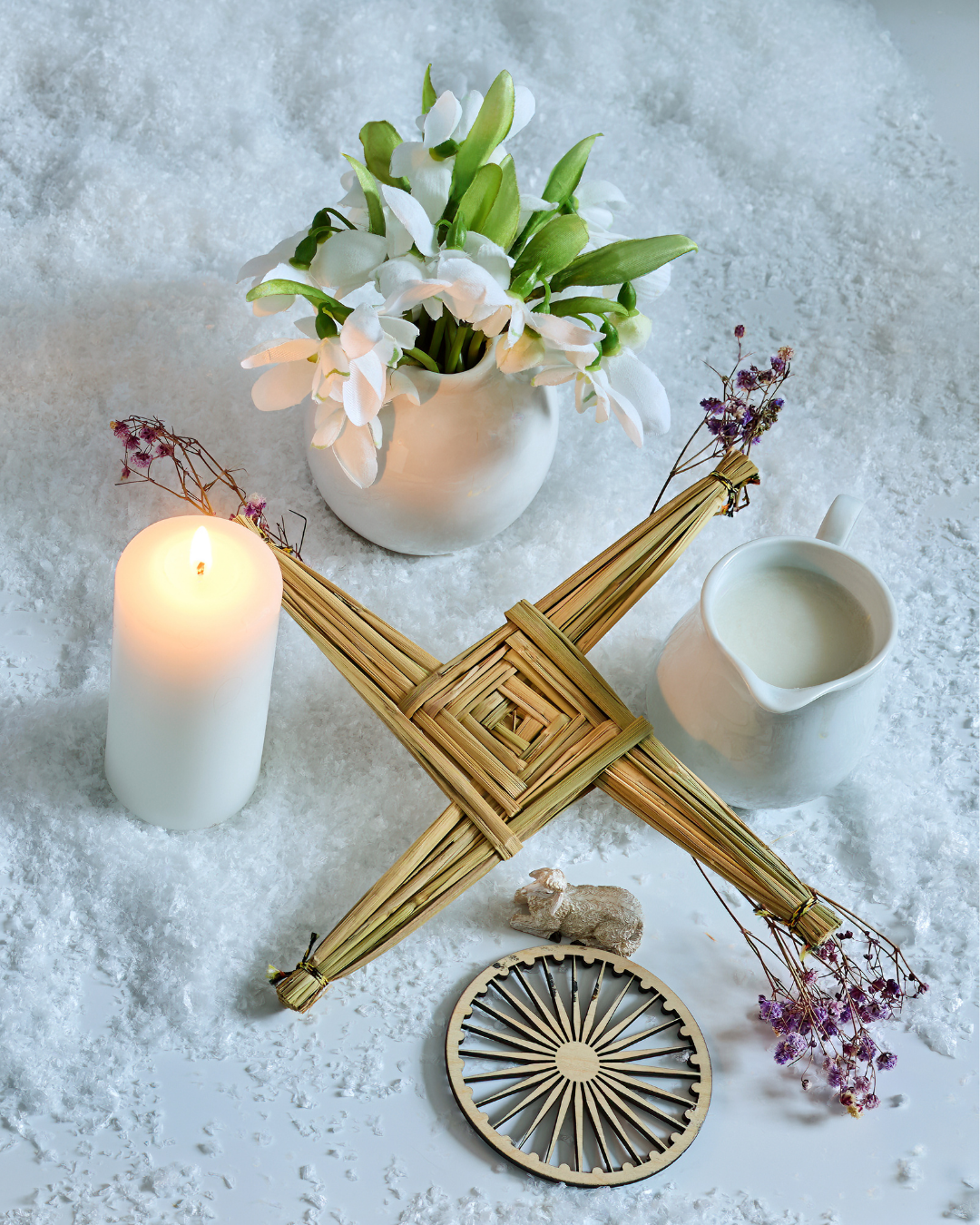
Imbolc is closely associated with Brigid, one of the most revered figures in Celtic tradition. A goddess of poetry, healing, craftmanship and fire – a source of inspiration and renewal.
She embodies Imbolc’s themes perfectly – a sacred flame that warms without overwhelming, the speak of creativity that returns after a period of rest, and the healing energy that prepares the land and the people for growth.
In later Christian traditions, Brigid was transformed into Saint Brigid, and many of her customs and sacred wells continued to be honoured. This blending of traditions reflects how deeply rooted Imbolc was in the seasonal rhythms of daily life.
Whether seen as a goddess or saint, Brigid represents continuity – the threat that carries ancient wisdom forward through changing times.
Fire, Light and the Hearth
Fire is central to Imbolc, but a very different flame from those at Beltane and Lughnasadh. This is a fire of the hearth rather than a bonfire, kept alive through winter and offering warmth, safety and sustenance. Lighting a candle at Imbolc symbolises the returning sun, but also our inner flame – inspiration, hope and resilience.
Historically, hearth fires were tended carefully at this time of year. Ashes might be cleaned, homes swept and any old energy gently cleared away to make space for the season ahead. Imbolc teaches us that light does not need to be dramatic, sometimes it is the steady and reliable glow that carries us through.
Imbolc on the Wheel
With the modern Wheel of the Year, Imbolc sits opposite Lughnasadh – the first harvest festival. Where Lughnasadh celebrates abundance and fruition, Imbolc honours preparation and potential. It reminds us that every harvest begins long before anything is visible above the ground.
Imbolc is not about pushing forward or forcing change. It is about noticing readiness. The land is still cold, the nights still long yet our direction has shifted. We are moving towards light, not moving away from it. In this way, Imbolc offers a powerful lesson: growth begins in stillness.
A Time for Gentle Cleansing
Imbolc has long been associated with purification and cleansing, both physically and energetically. Traditionally this might have meant cleaning the home, tending to animals or preparing food stores. Today, this cleansing can be far gentler.
It might look like:
- Clearing one small space rather than the whole house
- Letting go of a habit that no longer supports you
- Refreshing your environment with fresh air
- Releasing heavy expectations carriers through winter
Imbolc does not ask us to overhaul our lives – it invites us to make space – slowly, thoughtfully and with care.
Simple Ways to Embrace Imbolc Today
You do not need elaborate rituals to honour Imbolc. Its power lies in simplicity and presence. Some suggested ways are:
1. Light a candle – place a candle in your home to honour the returning light. Sit quietly with it, reflecting on what is beginning to stir with you.
2. Refresh your space – clean or clear one small area of your home, setting an intention for clarity and renewal.
3. Set gentle intentions – Rather than goals, chose one word or feeling you wish to nurture over the coming months.
4. Spend time in nature – Look for signs of early spring: buds, birdsong, snowdrops. Notice how the land is changing.
5. Work with sound or stillness – soft sound baths, gentle drumming or simply listening to silence can help attune you to Imbolc’s subtle energy.
6. Honour creativity – Write, draw, sing or craft without expectation. Imbolc is a time for inspiration to return quietly.
Reclaiming Imbolc
In modern life, Imbolc can easily be overlooked. It arrives without spectacle, nestled between winter and spring, asking for patience rather than action.
By reclaiming Imbolc, we connect with an older rhythm – one that honours preparation, rest and gentle awakening. We remember that not all growth is visible and that tending the unseen is just as important as celebrating the obvious.
Imbolc trusts us to trust the process.
Final Thoughts
As the light slowly returns, Imbolc invites us to stand at the threshold – not rushing ahead, but noticing what is quietly preparing to emerge. It reminds us that renewal does not begin with movement, but with awareness. As that even in the coldest months, life is always finding its way back.
By honouring Imbolc, we align ourselves once more with the turning of the Wheel – tending our inner flame and preparing to meet the light as it grows.